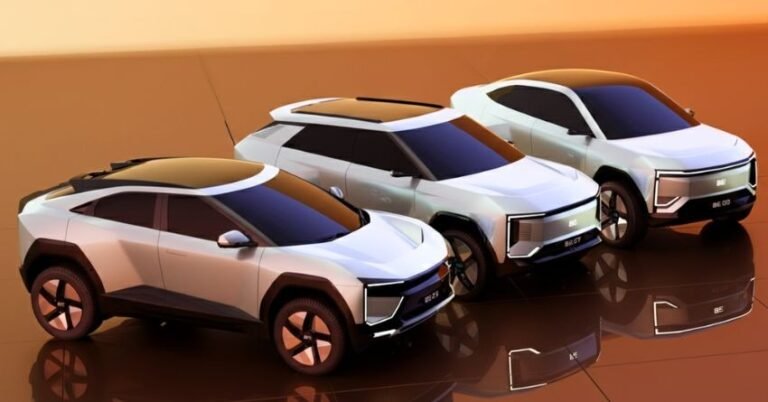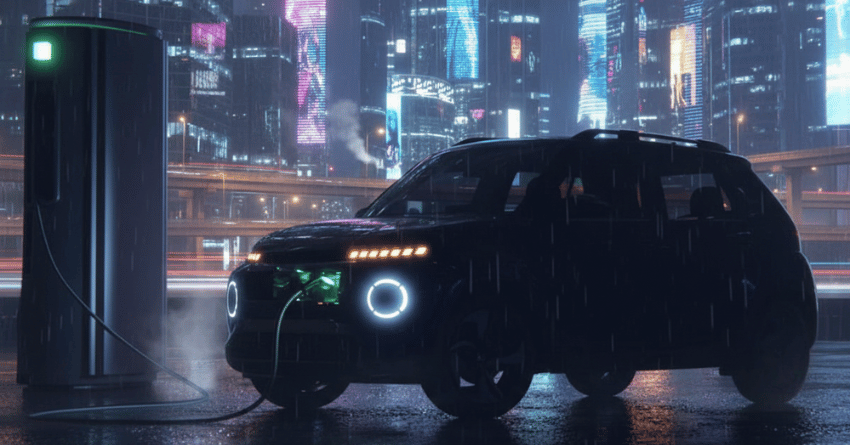
Hyundai Motor India has confirmed plans for a new compact electric vehicle developed specifically for Indian buyers. The company will introduce its upcoming EV during Investor Day 2025, which will feature local design and engineering with production built to meet Indian driving conditions and customer needs. Expected to launch in 2027, the new model will enter the rapidly growing compact EV segment, where it will go head-to-head with rivals such as the Tata Punch EV.
Platform And Positioning
Internally known as HE1i, Hyundai’s upcoming compact EV is expected to borrow heavily from the globally sold Hyundai Ioniq EV. It will sit on Hyundai’s E-GMP (K) platform, a version of its electric architecture tailored for smaller vehicles.
Production is slated for Hyundai’s Sriperumbudur plant in Tamil Nadu, with battery cells for the India-spec model sourced locally from Exide Industries. This move fits neatly into Hyundai’s broader localisation push and should help keep costs in check.
Battery Options Confirmed
Hyundai hasn’t shared full specifications yet, but it has confirmed that buyers will get two battery choices: a Standard Range and a Long Range version.
Globally, the Inster EV comes with 42 kWh and 49 kWh battery packs, delivering WLTP-rated ranges of around 300 km and 355 km. The smaller pack is paired with a 97 bhp motor, which generates 147 Nm of torque, but the larger battery increases output to 115 bhp while maintaining the same torque level. The India-spec version is expected to follow a similar setup, though final tuning and real-world range figures could change to suit local conditions.
Size And Footprint
In international markets, the Inster EV measures 3,825 mm in length, 1,610 mm in width, and 1,575 mm in height, with a 2,580 mm wheelbase. Hyundai’s India-bound model is likely to stay close to these dimensions.
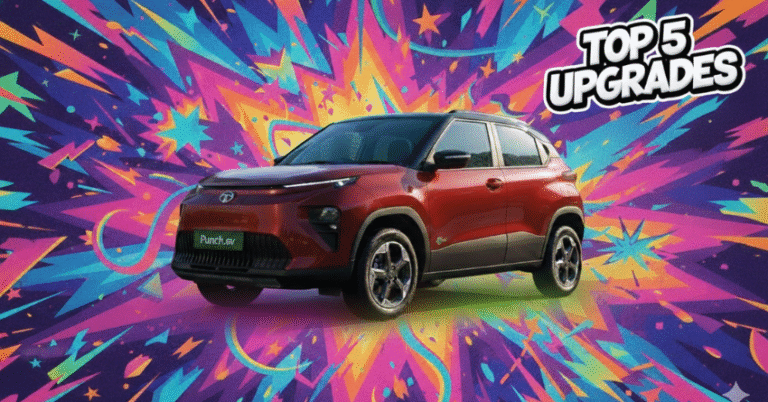
For context, the Tata Punch EV is 3,857 mm long, putting Hyundai’s upcoming electric SUV squarely in the same size bracket. That places it firmly in urban-friendly territory, while still offering enough road presence to appeal to compact SUV buyers.
Expected Features
On the features front, Hyundai is expected to bring much of the Inster’s tech to India. The display will probably feature connected infotainment, which supports over-the-air updates together with Level 2 ADAS and a complete range of in-car connectivity features.
The new system will include dual 10.25-inch screens, which display infotainment content and instrumentation data together with automatic climate control and ventilated seats, and a 360-degree camera system, which includes blind-spot monitoring and multiple airbags. The India-spec version will probably include seating options that allow for flat-folding seats and sliding or reclining rear seats.
What This Means
Hyundai is targeting a 2027 launch, giving itself time to fine-tune its next electric offering for the Indian market. A locally developed compact EV, backed by domestic production and battery sourcing, gives the brand a strong chance to price the car competitively.
If Hyundai gets the formula right, this new compact EV could emerge as a serious challenger in the segment, combining familiar design cues, a strong feature list, and brand trust in an all-electric package.