A proposed hike of GST on EVs in India is set to impact the likes of Tesla, BMW, and Mercedes-Benz, with taxes climbing up to 40%.
A tax authority in India has proposed a substantial hike in the Goods and Services Tax (GST) on luxury electric vehicles (EVs). This would be very damaging to the country’s rapidly growing EV market. If the proposal is accepted, the EVs tagged between ₹ 20 lakhs and ₹40 lakhs will attract a GST of 18% as opposed to the current 5%. For EVs above ₹40 lakhs, the tax could be set at 28% or even a new luxury ‘sin tax’ of 40% for luxury goods could be introduced.
A Quick Sneak Peek
| Price Range of EVs | Proposed GST Rate | Targeted Segment |
| ₹20 lakh – ₹40 lakh (US$23,000–46,000) | 18% | Mid-premium EVs (upper variants of Tata, Mahindra, Hyundai, etc.) |
| Above ₹40 lakh | 28% | Luxury EVs (BMW, Mercedes-Benz, BYD, Tesla, etc.) |
| Proposed New Slab (Luxury Imports) | 40% | Ultra-luxury imports, mainly high-end Tesla, BMW, Mercedes-Benz, BYD models |
Proposed Tax Structure and Market Impact
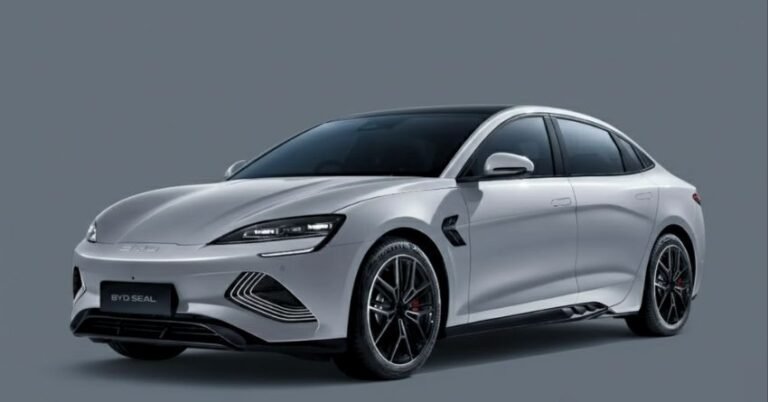
The idea is to differentiate between affordable mass-market EVs and high-end luxury models. The tax panel declared that luxury EVs, which are often imported, should not have the same tax benefits as locally manufactured, mass-market vehicles. This particular change could greatly affect global automobile manufacturers like Tesla, Mercedes-Benz, BMW, and BYD, whose models fall in the luxury segments the tax hike targets.
While domestic players like Tata Motors and Mahindra & Mahindra have fewer offerings in the over ₹20 lakh category, they have expressed apprehensions that such tax hikes might delay the overall transition into clean mobility in India. Of critical importance in allowing EVs to compete with traditional petrol and diesel cars, the prevailing 5% GST rate has built consumer confidence and encouraged purchase.
Industry Reaction and Future Outlook
The automakers and industry experts have opposed the proposal strongly, suggesting that the same would shatter any hope of India seeing widespread adoption of EVs. They believe there must be stable policies built along long-term lines to support investments into local manufacturing and in creating the EV ecosystem.
The uncertainty has already made some potential buyers postpone their purchasing decisions while waiting to hear back on a decision by the GST Council. Without a doubt, the GST Council meeting put such a decisive stamp on the future pricing and market scenario for electric vehicles in India.
India is seeking to simplify its tax systems and assist local firms with product manufacturing. But the government, having its eye on the major target, has to get more electric cars on the road to keep the country clean. So, the tax hike on expensive electric cars is a dilemma.