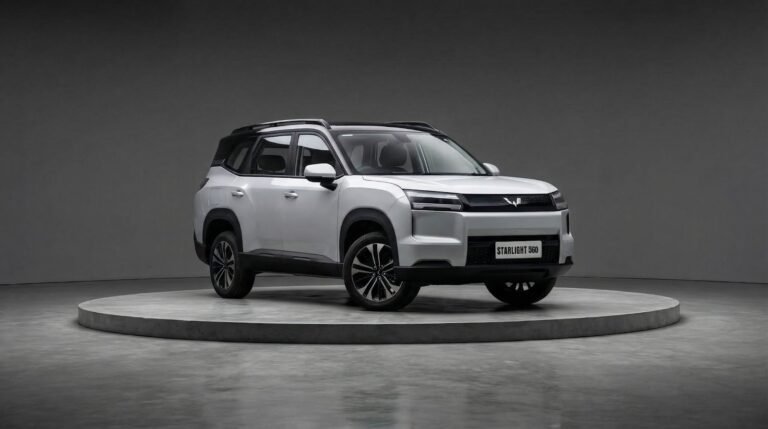
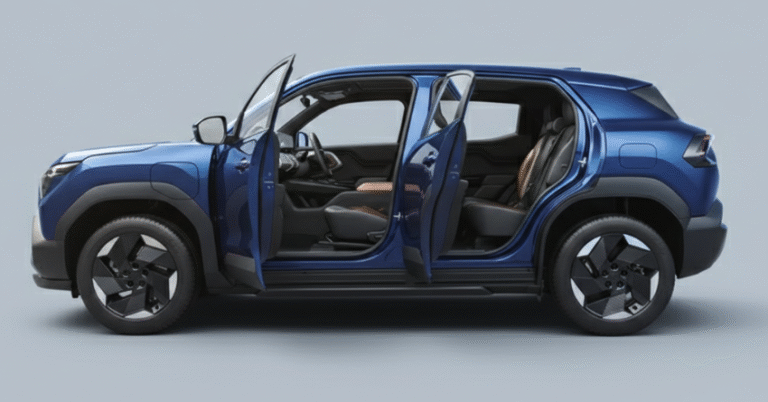
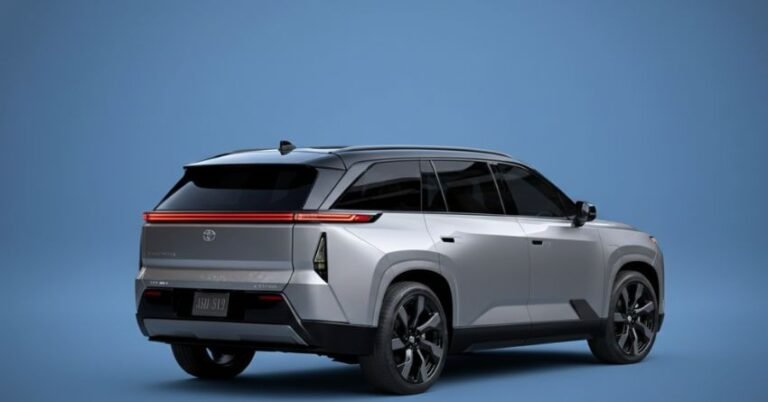
Honda Cars India VP confirms the company’s first EV launch will be a midsize SUV in FY27 (late 2026). It will use a new platform, not the Elevate.
Honda Cars India has provided concrete details regarding its much-anticipated entry into the country’s burgeoning Battery Electric Vehicle (BEV) market, thus confirming the launch of its very first electric model for the Fiscal Year 2027 (FY27). This significant announcement, which was actually confirmed by Kunal Behl, the VP of Sales and Marketing at Honda Cars India, occurs at a very critical stage in the history of the Indian automotive sector, where electrification is competitive.
Launch Set FY27
The EV is officially slated for launch sometime between April 2026 and March 2027, with much inclination towards the latter half of 2026. This would mean that the roadmap towards Honda’s electrification in India was drawn pretty clearly. Meanwhile, competition keeps lining up stronger electric offerings, continuously pushing Honda to become even more than trying to grow the strong hybrid technology box.
Detail | Confirmation |
| Executive Confirmed | Kunal Behl, VP Sales & Marketing, Honda Cars India |
| Launch Timeline | FY27 (April 2026 – March 2027) |
| Vehicle Type | Midsize SUV |
| Platform Basis | New, Dedicated Platform |
Midsize SUV Rivals
The midsize electric SUV is Honda’s decision to enter the market strategically. This segment is now seeing enormous growth and consumer interest, enabling the brand to present a challenge to long-established electric competitors. The new Honda EV will be prepared to take on models like the MG ZS EV and the anticipated Hyundai Creta EV, thereby obtaining maximum share upfront from this very lucrative family and premium EV segment.
No Elevate EV
In a decision that underscores its commitment to optimal electric architecture, Honda has refuted earlier rumours suggesting the EV would be based on the popular Elevate SUV. Instead of following the trend of adapting an existing internal combustion engine (ICE) platform, the company will develop a fresh, ground-up nameplate utilising a dedicated BEV architecture. This approach, while more resource-intensive, ensures the vehicle boasts superior packaging, battery integration, and overall driving dynamics uncompromised by ICE design constraints.
Building Charging Network
In keeping with the premise of infrastructure for success in EV, Honda intends to embrace an attitude of not only product orientation in facing the business. Honda would work in earnest at building a strong charging ecosystem behind the scenes, which will include making high-speed DC fast chargers available at each of its dealerships for all customers. This settlement comes in through providing the dealership, which becomes a quick and reliable destination for fast-charging solutions, thus reducing range anxiety and increasing the acceptance of fast charging.
New Platform Strategy
The strategic investment in a new electric-focused platform reflects a wider, long-term vision. This architecture will serve as a backbone for all of Honda’s electric models in the coming years. In addition, this focus on localisation and advanced platform development also includes its ICE/hybrid portfolio; the new-generation City sedan, which is expected around 2028, will use a new highly localised PF2 architecture that is hybrid-compatible.
Wider Portfolio Update
With the complete introduction of the electric midsized SUV, it will bring considerable heft to Honda’s overall product under such branding, dominated by the City, Amaze, Elevate, and City e: HEV hybrid. By supplementing with a full BEV, Honda makes a very strong quality statement around commitment to different powertrain technologies while having an edge in a competitive and high-momentum market in the fast-changing face of the Indian automotive market.