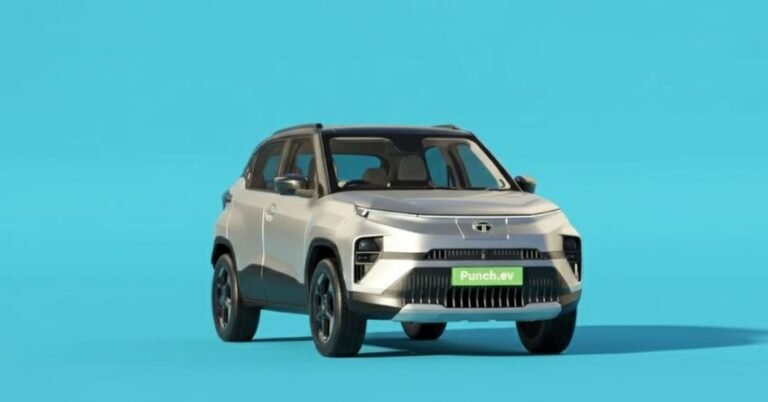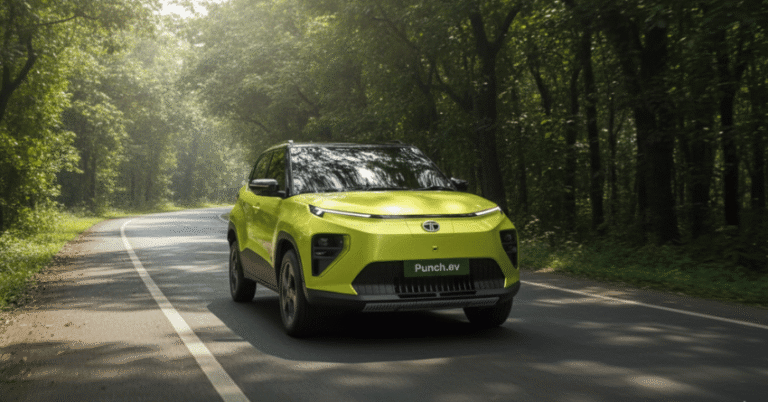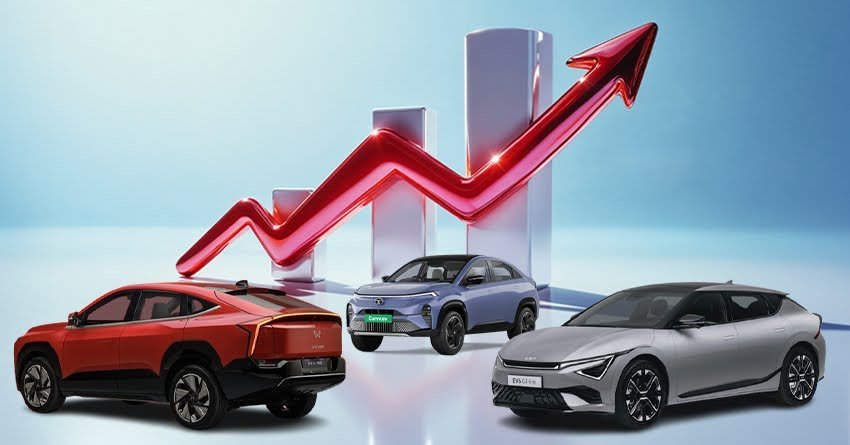
In August 2025, the electric car sales in India hit an all-time high, largely driven by notable performances from Tata Motors, JSW MG, and Mahindra.
The passenger electric vehicle (EV) market in India reached a new milestone in August 2025, with sales hitting a record high, driven by consumer demand and the stellar performance of several manufacturers on the path to an accelerating shift toward electric mobility in the country.
Market Performance and Key Players
In landmark months for the sector, 17,298 electric vehicles were sold countrywide, an enormous 155% increase over the recorded figures a year ago. This remarkable growth was dominated by manufacturers aggressively expanding their traditional EV portfolios.
| Brand | Sales in Aug 2025 | YoY Growth (%) |
| Tata Motors | 7,088 | 61% |
| JSW MG Motor India | 4,759 | 231% |
| Mahindra | 3,495 | 937% |
| Hyundai | 584 | 1,290% |
| BYD | 447 | 97% |
| Kia | 441 | 2,105% |
- Tata Motors held the top position with nearly 41% of the market’s share and registered the best-ever monthly sales.
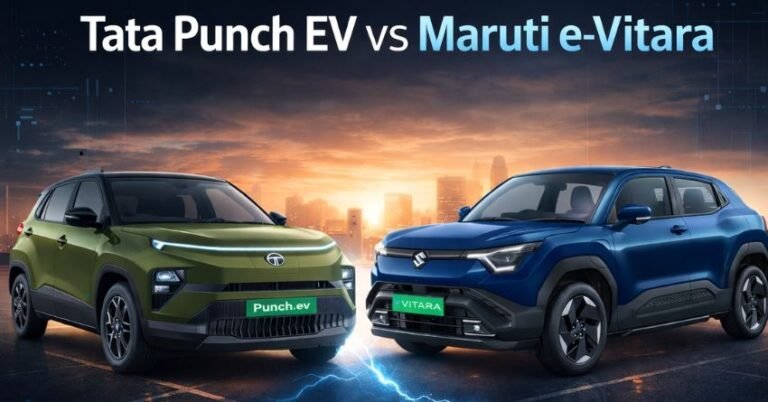
- JSW MG Motor India moved into second place with impressive year-on-year growth of 231%.
- The third spot is taken by Mahindra, which experienced the strongest surge among major players, with a 937% increase in sales, largely driven by the good performance of its new model offerings.
- Kia India and Hyundai also reported some decent sales figures, suggesting a much wider market acceptance for a far larger number of EV models.
Outlook and Industry Concerns
While the market is at a high, a distinct cautionary note has been sounded by industry captains over a possible policy change. Auto-makers are looking with concern at a proposed increase in the Goods and Services Tax on high-end EVs, moving from 5% to 18%.
- According to the industry, this move may hinder the adoption of clean mobility and prevent India from making progress in the EV space.
- They want to retain the GST at 5% so that EVs, particularly mass-market models, remain affordable and competitive.
Given the approaching festive season, makers are increasingly optimistic that the trend in sales of EVs will not just persist but will grow even stronger, driving the EV revolution in India to the next level.
Policy and Future Prospects
While the market remains very light in terms of momentum, the industry is on edge over a proposed policy change. A government panel has recommended increasing the Goods and Services Tax (GST) on electric vehicles priced over ₹20 lakh from 5% to a much higher ceiling of 18%.
Automakers have expressed concern, saying that such a move would halt the growth of the market. They argue that the existing low GST rate is something that bridges the price differential between electric and traditional internal combustion engine vehicles, thereby encouraging a wider acceptance of the product. The industry is hopeful that the policymakers will secure long-term stability in order to promote further investment and consumer confidence in this rapidly growing EV segment.