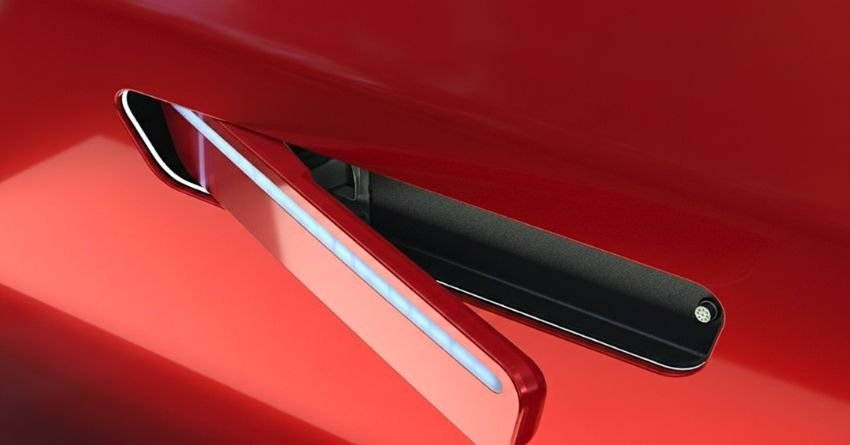
China’s government has moved to ban hidden or flush-style door handles on electric vehicles, a worldwide first aimed at improving passenger safety. The rule will take effect on January 1, 2027, and requires all cars sold in China to have mechanical door release handles on both the inside and outside of every door, except the tailgate.
Why the Change?
The Ministry of Industry and Information Technology said the move responds to growing safety concerns after several accidents where electronic or retractable handles failed during crashes. In some cases, victims were reportedly trapped inside vehicles because the handles couldn’t be opened when power was lost. Flush and hidden handles, popularised by the Tesla Model 3 and used on many modern EVs for a sleek look and better aerodynamics, could become unsafe if they cannot be operated manually after an impact.
New Requirements for All Vehicles
Under the new regulation:
- All cars must be fitted with mechanical door release handles that work without electricity.
- Exterior handles must provide sufficient grip space (at least 6 cm wide and 2 cm high) so hands can reach and open them even when power is out.
- Interior handles also must be clearly visible and marked so occupants can quickly find and use them in an emergency.
Vehicles already approved for sale or close to launch will have an extended compliance deadline of January 1, 2029, to update designs.
Impact on EV Design
The ban affects many electric vehicles that use retractable or flush handles, including models from Tesla, BMW iX3, and several Chinese EV brands. Hidden handles have been popular because they improve aerodynamics and give cars a clean, modern look. But China’s safety rules mean manufacturers must rethink that design or add obvious mechanical alternatives that passengers can rely on in emergencies.
What Comes Next
China’s move may set a precedent that other countries will watch closely. With the world’s largest auto market pushing this safety standard, regulators in the US and Europe, where retractable handles have also faced scrutiny, could consider similar rules. Automakers now face engineering and cost challenges to redesign door systems in time. But for safety advocates, the rule is a clear step toward making EVs easier to exit in emergencies, even if the power system fails.