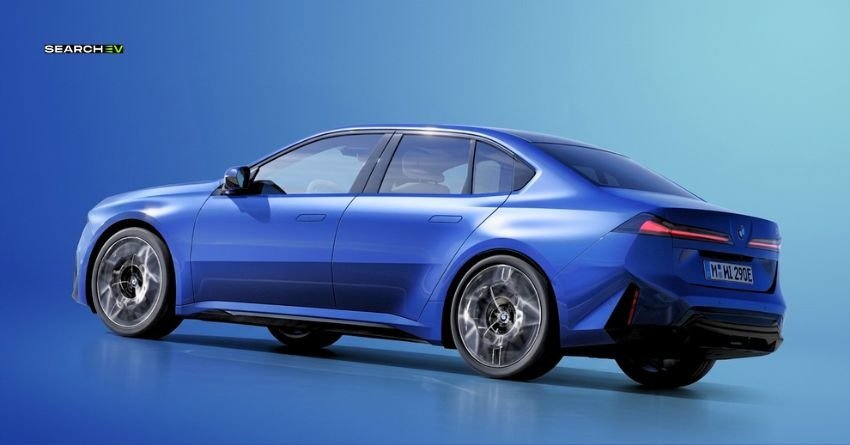
BMW has introduced its all-new i3 electric car, marking a significant shift in the company’s EV strategy with the introduction of its next-generation “Neue Klasse” platform. The new i3 is a complete departure from the earlier hatchback with the same name. It is now available as a premium electric sedan, serving as the electric equivalent of BMW’s popular 3 Series.
Platform and Design
The i3 is built on BMW’s unique Neue Klasse architecture, which is specifically designed for electric vehicles. This new platform prioritises higher efficiency, increased energy density, and faster charging times.
BMW has also confirmed that this platform will underpin an entire new generation of EVs, making the i3 one of the first models to showcase this future-ready architecture. The sedan’s design has a sleek, aerodynamic profile and a modern rendition of BMW’s signature style. The emphasis on aerodynamics helps to expand the vehicle’s overall driving range.
Range, Battery, and Performance
One of the most remarkable features is the claimed driving range of up to 900 km (WLTP), placing it among the longest-range electric sedans to date.
The i3 is projected to use a 100 kWh battery pack and BMW’s sixth-generation eDrive technology. An 800V electrical infrastructure enables ultra-fast charging, significantly reducing charging times. BMW’s new battery technology is expected to have more energy density and efficiency than its current EV portfolio.
Performance is also a top priority. Staying true to BMW’s performance focus, the top variant is expected to get a dual-motor all-wheel-drive setup with around 470 hp and strong torque. More versions are likely to follow, including higher-performance models positioned above the standard lineup.
Interior and Technology
Inside, you’ll see the BMW’s next-generation digital interface. The Panoramic iDrive system, which displays key driving information on the windscreen instead of a traditional instrument cluster, is noteworthy.
The cabin design is minimalist, with a large central display, fewer physical buttons, and a strong emphasis on software and connection. The new interface will be driven by BMW’s latest operating system, with a focus on improved user experience, over-the-air updates, and tighter integration of digital services. The i3 will be manufactured at BMW’s Munich factory, which is being modernised to create next-generation electric vehicles.
BMW stated that production of the new i3 will begin in Munich in the second half of 2026. The model is expected to be launched globally shortly after, with multiple variants likely to follow. Production of the revamped i3 will begin in August 2026 at BMW Group’s Munich plant, with global sales projected to start between September and November. Meanwhile, the BMW iX3 is expected to enter the Indian market in early 2027.
What This Means
The new i3 is more than just a model introduction; it lays the groundwork for BMW’s future electric portfolio. With its long-claimed range, innovative platform, and emphasis on digital experience, it sets the tone for the brand’s next wave of EVs.
As competition in the premium EV segment heats up, the i3 is set to face off against EVs like the Tesla Model 3, while also laying a foundation for BMW’s future performance-oriented electric products. It also represents BMW’s broader shift toward an EV-first design, which will play an important role in the company’s long-term electrification plan.