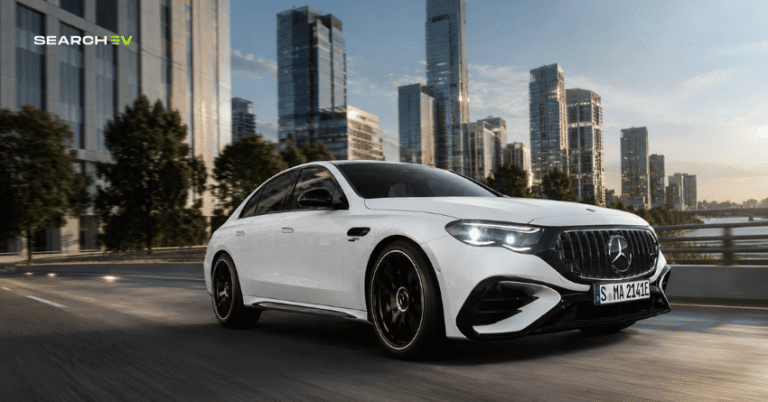
The India–European Union Free Trade Agreement has finally been wrapped up, and while it brings long-term changes for the auto industry, electric vehicles are not part of the immediate relief. Under the deal, import duties on cars will eventually be reduced to 10 per cent. That applies to petrol and diesel vehicles first. Electric vehicles, however, have been kept out of the duty cuts for now. For buyers expecting cheaper European EVs, the wait is longer.
EVs Left Out in the Initial Phase
As per the agreement, electric vehicles will continue to attract existing import duties for the first five years. These duties currently range between 70 per cent and 110 per cent. This means imported EVs from brands such as Mercedes-Benz, BMW, Audi and Porsche will remain expensive in India until at least 2031. The duty reduction plan that applies to petrol and diesel cars will only kick in for EVs after this period.
Why EV Duty Cuts Were Delayed
The delay is part of a wider push to protect local manufacturing. By keeping import duties high, the government is trying to ensure that overseas carmakers do not rely only on fully built imports.
The idea is to encourage local assembly and manufacturing, especially as India’s EV market is still developing. It also gives domestic manufacturers more time to build scale in the electric space.
Battery production and component supply are other factors. These areas are still growing in India, supported by incentive schemes, and the delay gives that ecosystem time to settle.
What Happens After 2031
Once the five-year period is over, electric vehicles are expected to see a gradual reduction in duties. This will not be unlimited. The agreement places a cap of 250,000 vehicles per year on discounted European auto imports across all segments. In addition, only vehicles priced above €15,000 will qualify for the lower duties. This effectively keeps lower-priced EVs sold in India insulated from European imports.
Impact on Luxury EV Brands
Most luxury carmakers already assemble their petrol and diesel models locally. Electric vehicles, especially higher-end ones, are still largely brought in as fully built units.
With EV duty cuts delayed, brands now face a choice. Either invest in local EV assembly sooner, or continue selling imported electric models at higher prices for the next few years.
Where This Leaves Buyers
For now, the India–EU FTA does not change much for electric vehicle buyers. European EVs will stay expensive in the near term. The agreement takes a longer view, focusing on local manufacturing rather than immediate price cuts. Any real change in EV pricing from Europe is unlikely before the next decade.