Maruti Suzuki India (MSIL) will localise electric batteries and critical components over the next few years, ahead of the e-Vitara’s launch (early 2026). This plan strengthens India’s electric ecosystem, reduces import reliance, and boosts buyer confidence through local support, utilising initial battery supplies from the Suzuki Gujarat plant.
Phased Production Roadmap
Maruti Suzuki will execute its localisation strategy in a phased manner. Currently, the company is importing electric batteries, but this is set to change. The initial step toward localising battery cell production will leverage Suzuki Motor Corporation’s lithium-ion battery plant in Gujarat, which was inaugurated in August 2025. This commitment is part of Suzuki’s massive ₹70,000 crore investment toward electric and hybrid vehicles, showing long-term dedication.
Launch and Model Targets
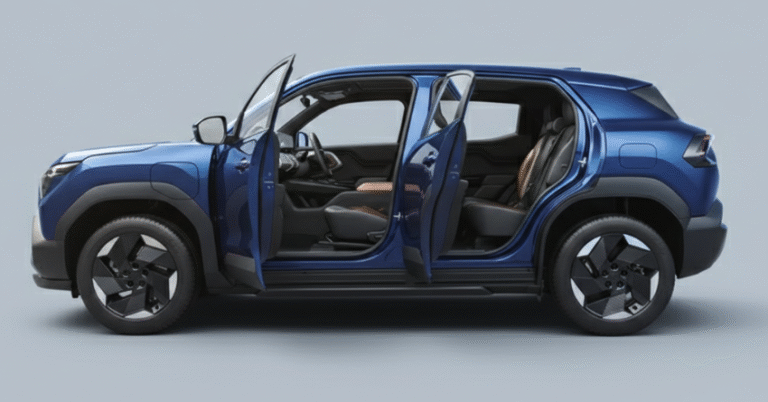
The localisation effort is timed to precede the domestic launch of the company’s first electric model, the e-Vitara, which is set to debut in India next year. Maruti Suzuki plans to rapidly expand its electric lineup to include five distinct EV models in its overall product portfolio by the end of the financial year 2030 (FY30).
By that time, the company expects EV penetration to reach around 13–15 per cent of the estimated 5.5–6 million passenger vehicle market, though this number is under reassessment following recent GST changes.
Addressing Buyer Concerns
According to Partho Banerjee, Senior Executive Officer at MSIL, electric vehicle adoption is currently hindered by customer anxiety. Buyers often use EVs as secondary vehicles due to doubts about driving range, inadequate public charging infrastructure, and concerns over resale value and after-sales service.
The company is directly addressing the resale issue by offering guaranteed buyback and subscription schemes that will be introduced to mitigate the ownership risks associated with new customers.
Ecosystem and Charging Network
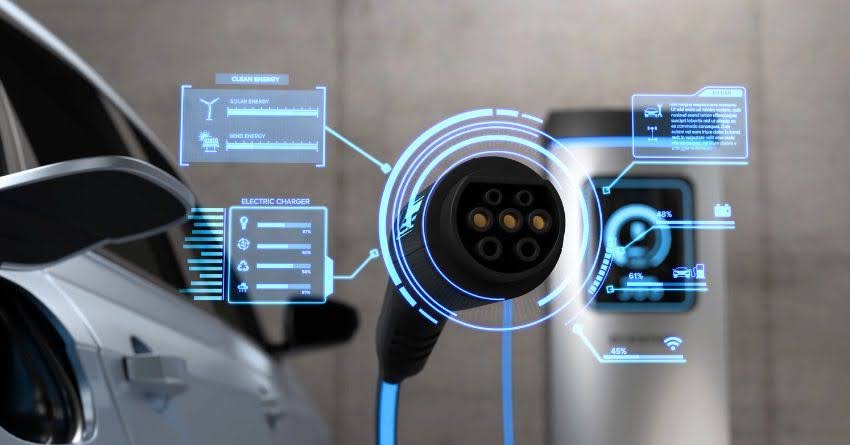
Maruti Suzuki is increasing its service and charging network on a large scale to create a robust support system and to gain the confidence of the electric vehicle market. The company aims to have 1,500 EV-enabled workshops across 1,100 cities nationwide.
Furthermore, while it has already set up 2,000 charging points, the long-term plan targets establishing around 1 lakh (100,000) charging stations by 2030 through partnerships with its dealers and charging point operators. The company has already validated the e-Vitara’s platform by beginning its export operations, having shipped over 10,000 units of the model to 26 global markets so far.