In 2025, over 2.3 million Indians chose an electric vehicle not because it’s trendy, but because it makes financial sense. And interestingly, most of that interest sits under ₹15 lakh — the price range where families, first-time buyers, and practical upgraders usually shop.
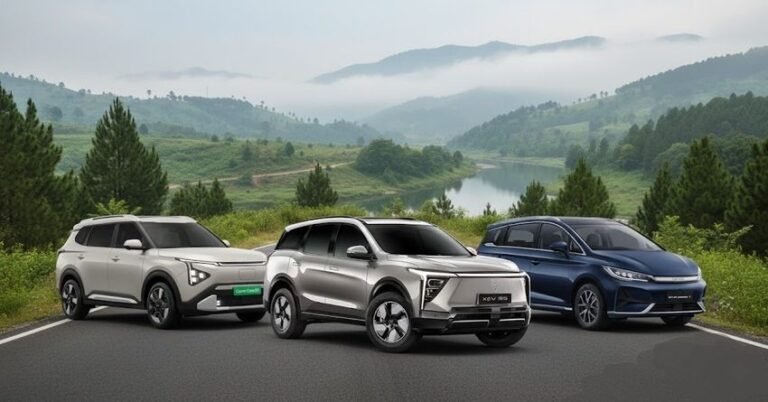
The good news is that electric cars under ₹15 lakh are no longer a entry level model with basic features. Today, you can get real-world range, proper SUV styling, modern tech, and solid safety without stretching your budget. If you’re planning to make the shift in 2026, here are the top 8 electric cars under ₹15 lakh that actually make sense — depending on how you drive and what you expect from your car.
1. City-Friendly EVs
MG Comet EV
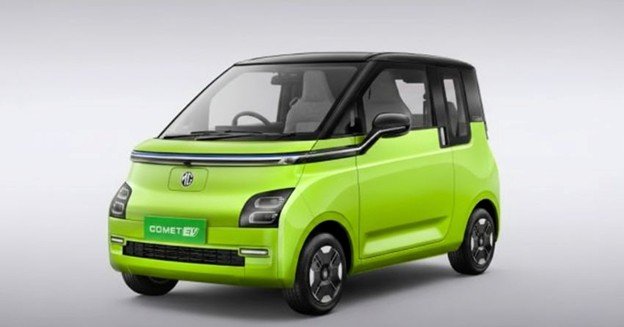
- Ideal for: Comet is most suited to someone who mostly drives in cities. Because of its compact size, it is simple to park and live with. If you drive daily and your driving involves traffic, brief office runs, shopping trips, or quick errands, the Comet is the right car for you.
- Battery and Real-world range: Includes a 17.3 kWh battery pack with a real-world range of roughly 230 km.
- Highlights: It includes dual 10.25-inch touchscreens, wireless Android Auto and Apple CarPlay, MG i-SMART connected features, dual airbags, ABS with EBD, ESC, hill hold, TPMS, and a rear parking camera.
- Price: BaaS model ₹4.99L; battery ownership ₹6.99L.
- Why choose it: Owners admire the Comet for one simple reason: it makes city driving easy. It fits into narrow parking spaces, makes U-turns easily, and has extremely low maintenance costs compared to petrol vehicles. Charging at home is simple, and range anxiety is minimal on short daily rides.
People who buy it usually remark on the same thing: it makes daily travel easier. If your routine is predictable and confined to the city, the Comet seems intelligent rather than small.
Citroën ë‑C3
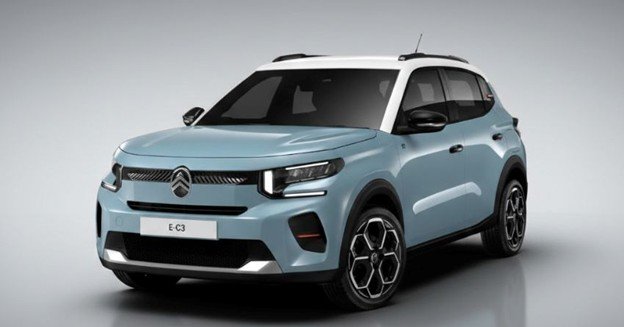
- Ideal for: This EV will be an excellent choice for those seeking a comfortable and sleek city vehicle. Its SUV-inspired style and slightly higher ride height make it feel at ease on urban roads, while the large cabin and 315-litre storage space make short trips easier.
- Real-world range: Comes with a 29.2 kWh battery that gives up to 246 km.
- Highlights: SUV-inspired design, 10.25-inch touchscreen, spacious cabin, 315L boot, dual airbags, ABS with EBD, rear parking sensors
- Price: Starts at ₹12.90 Lakh.
- Why choose it: The ë-C3 offers exceptional ride comfort. On broken city roads and speed bumps, the suspension feels softer and more forgiving than many competitors. Many consumers in this group are also impressed with the cabin room and boot efficiency.
It may not be overloaded with technology, but what it does well is provide a pleasant, comfortable driving experience. If you choose comfort over flashy features, this EV makes daily commuting less tiring.
2. All-Rounders
Tata Tiago EV
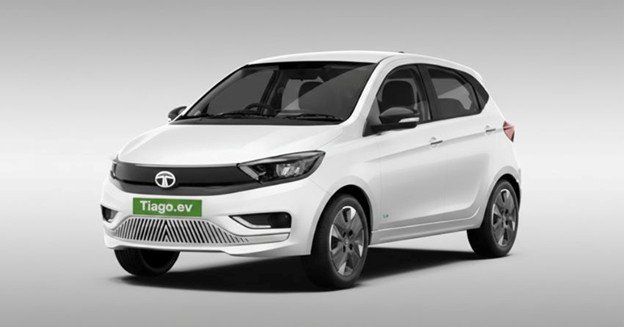
- Best for: Someone seeking a practical EV for city driving and the occasional highway travel. The Tiago EV is familiar and easy to live with, offering smooth performance without unnecessary complication. It’s a good choice if you want a car that’s simple, reliable, and affordable for daily use.
- Real-world range: Comes with a 19.2 kWh battery pack option that goes upto 223 km of range.
- Highlights: 10-inch touchscreen, wireless Android Auto & Apple CarPlay, digital instrument cluster, cruise control, automated climate control, Tata’s service network, dual airbags, ABS with EBD, ESP, rear parking sensors
- Price: The price starts at ₹7.99 lakh and goes upto ₹ 11.14 lakh.
- Why choose it: The Tiago EV works because it feels familiar and reliable. A lot of customers who convert from a petrol hatchback do not feel like they are adjusting to something totally distinct. The settings are straightforward, the size is modest, and the range is enough for most daily activities.
- Another significant advantage is Tata’s extensive servicing network, which gives buyers confidence in long-term ownership. It’s an easy EV to recommend because it handles its basic needs effectively without feeling complicated.
Mahindra XUV 3XO EV
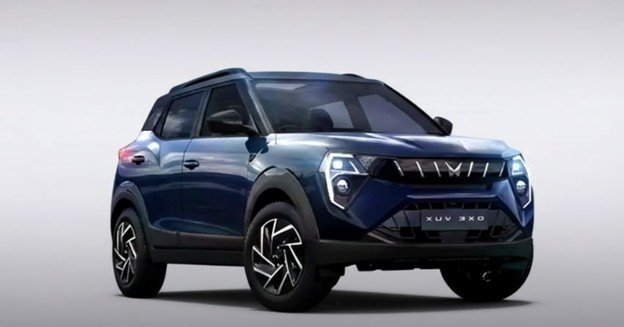
- Best for: Buyers looking for a compact SUV with modern features and versatility for both city and highway driving. The XUV 3XO EV feels larger than it is, offering it a strong road presence while remaining easy to park.
- Real-world range: Comes with a 39.4 kWh battery pack option that gives upto 456 km of range.
- Highlights: Panoramic sunroof, dual 10.25-inch screens, Level 2 ADAS, six airbags, wireless phone charging, dual-zone climate control, rear AC vents, TPMS, four-wheel disc brakes
- Price: The price starts at ₹13.89 lakh and goes all the way up to ₹14.96 lakh.
- Why choose it: The XUV 3XO EV’s charm comes from how well-equipped it is for the price. It has outstanding highway performance, good safety features, and plenty of space for a small family. Buyers typically consider it an upgrade from smaller hatchback EVs as it provides an SUV-like ride without exceeding the ₹15 lakh limit.
- It strikes a balance between daily usability and weekend capacity, making it suitable for both city and highway use.
3. SUV-Style EVs
Tata Punch EV
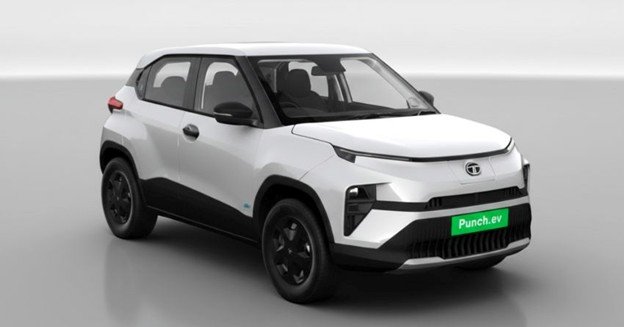
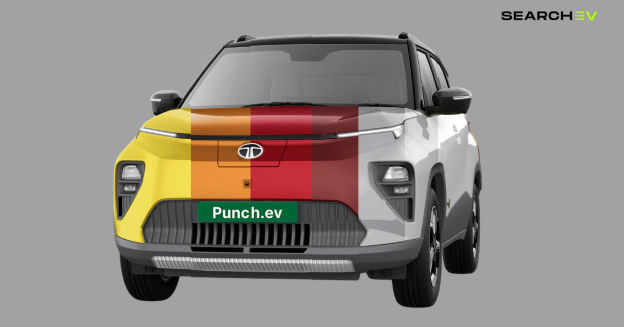
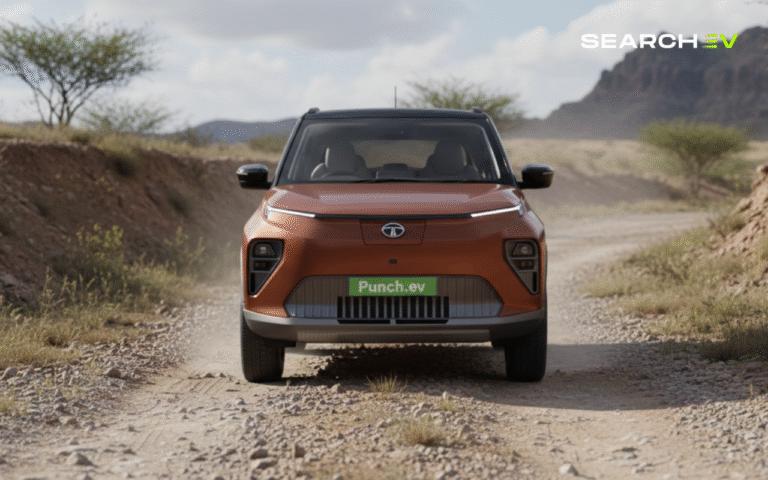
- Best for: Urban buyers who want a compact SUV that feels premium, safe, and modern. The Punch EV’s small footprint makes city driving and parking easy, but its bold SUV styling still turns heads on the road.
- Real-world range: With two battery pack options, a 45 kWh and a 35 kWh, it gives a range of up to 425 km.
- Highlights: Dual 10.25-inch touchscreens for infotainment and navigation, 360° camera, six airbags, 5-star BNCAP rating, wireless phone charging, voice controls, Harman sound system, electronic parking brake with auto hold, hill descent control
- Price: The price starts at ₹ 9.99 lakh and goes up to ₹ 14.44 lakh, depending on the variants.
- Why choose it: The Punch EV impresses customers with its reliability and safety. A high driving position, sturdy build quality, and improved safety features provide owners with peace of mind. It feels sturdy, which is very important in Indian conditions.
- At the same time, it is compact enough for city use. Many consumers chose it because it does not feel like a “small EV”—rather, it seems like a legitimate compact SUV with real-world usability.
Tata Nexon EV (MR variants)
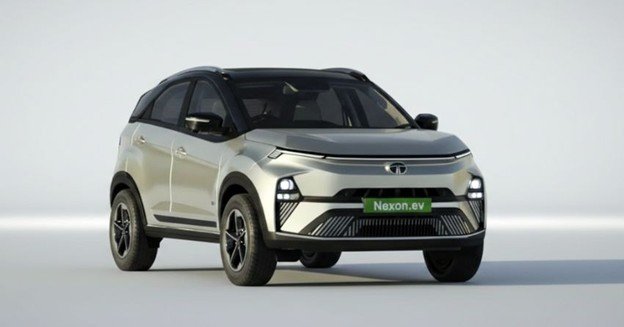
- Best for: Families and drivers seeking a larger SUV that can manage highways and city streets with ease. The Nexon EV drives like a full-size SUV while staying manageable in traffic.
- Real-world range: Gets two battery pack options, a 35 kWh and a larger one, 45 kWh. And it gives a range of up to 375 km.
- Highlights: Ventilated front seats, connected features via Tata’s ZConnect, six airbags, ESP, ABS with EBD, sturdy body structure, touchscreen infotainment with wireless Android Auto & Apple CarPlay, rear parking camera, boot space of 350L, spacious rear seat
- Price: The price starts at ₹12.49 lakh and goes up to ₹17.49 lakh, depending on the variant.
- Why choose it: The Tata Nexon EV remains a popular choice because it feels like a natural upgrade rather than an experiment. For families moving from typical SUVs, it offers familiar space, a strong road presence, and comforting highway stability. The rear seat is really helpful for adults, the boot fits weekend bags nicely, and the general build quality promotes trust.
What makes it work isn’t just the electric powertrain; it also provides the practicality and durability that Indian buyers demand from an SUV, making the transition to electric feel less like a risk and more like a sensible next step.
4. Sedan EVs
Tata Tigor EV
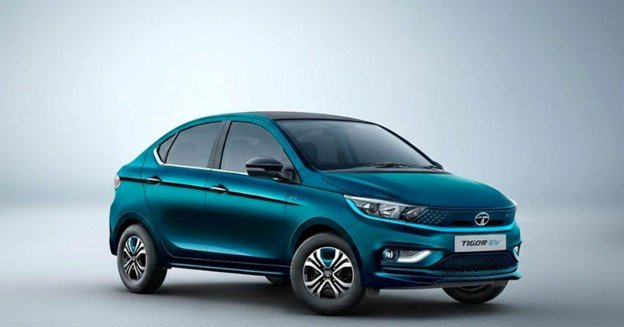
- Best for: Customers who prefer a sedan that combines elegance, comfort, and practicality. The Tigor EV is perfect for city commuting while being capable enough for occasional highway trips, making it a versatile choice for families or professionals.
- Real-world range: It features a 26 kWh battery pack option that gives a range of upto 315 km.
- Highlights: Magnetic contrast roof, automated climate control, cruise control, Ziptron battery technology, touchscreen infotainment with wireless Android Auto & Apple CarPlay, digital instrument cluster, dual airbags, ABS with EBD, rear parking sensors
- Price: The price starts at ₹12.49 lakh onwards and goes upto ₹13.75 lakh.
- Why choose it: The Tigor EV is ideal for those who favor the traditional sedan style in a market largely dominated by SUVs. It features a well-defined boot, offers a smooth ride quality, and has a lower seating position, which contributes to a more relaxed and comfortable driving experience, particularly during daily commutes and city driving.
It does not stand out by distinctive looks or high ground clearance; instead, it stresses refinement and cost effectiveness. For professionals and small families who value practicality, reliable performance, and low operating costs over trend-driven design, the Tigor EV remains a smart and balanced electric option.
5. Premium Family EV
MG Windsor EV
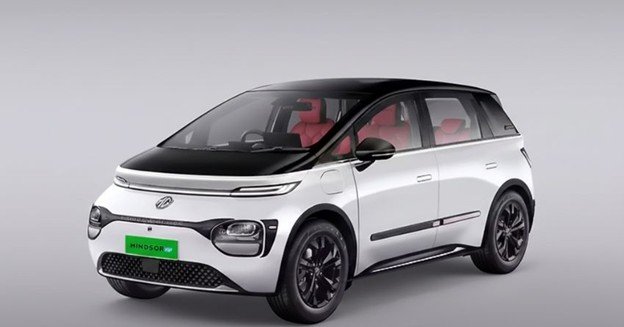
- Best for: A best option for families or customers seeking a large and feature-rich EV with a premium feel under ₹15 lakh. Windsor EV is great for long drives, city commutes, and weekend getaways, making it a versatile choice for those who want to play around with modern technology.
- Real-world range: This one comes equipped with two battery pack options, 38 kWh and a larger 59.2 kWh battery pack that gives a range of up to 449 km.
- Highlights: Massive 15.6-inch touchscreen, panoramic glass roof, six airbags, Level 2 ADAS (adaptive cruise control, emergency braking on higher trims), wireless phone charging, ventilated seats, rear parking camera, robust suspension
- Price: The price starts at ₹13.99 lakh and goes up to –₹ 18.50 lakh depending on the variant.
- Why choose it: At this pricing point, the MG Windsor EV offers a unique blend of size, comfort, and modern technologies. The extended range makes it a better choice for both city and highway driving, while the spacious cabin and lounge-style seats ensure everyone’s comfort.
Tech features like the panoramic roof, large touchscreen, and ADAS give it a premium feel that is generally found in higher-end electric vehicles. The Windsor EV is a top choice for families looking for a reliable electric vehicle under ₹15 lakh.
Final Verdict
Electric cars under ₹15 lakh are really taking off in India. Now, you’ve got choices—whether you want a compact city car, a reliable family ride, or even something with that SUV look. By 2026, this price bracket will give you practical options that actually fit different needs and lifestyles.
If you go for an electric car under ₹15 lakh, you save a lot of money. That’s the main thing. Charging up costs way less than filling up with petrol or diesel, and since EVs have fewer moving parts, they don’t need as much maintenance. For commuters and families in the city, it just makes sense—you get a modern, hassle-free driving experience and keep more cash in your pocket.
- If you generally drive in the city and want an easy-to-park, low-cost EV, the MG Comet EV or Citroën ë-C3 will fit you.
- If you’re looking for an all-around vehicle that combines range, comfort, features, and affordability, the Tata Tiago EV is a solid choice.
- The Tata Punch EV is an excellent choice for those seeking SUV style, advanced safety, and a more premium feel.
- If you still prefer the comfort and elegance of a sedan, the Tata Tigor EV provides a comfortable ride with a decent range.
- The Tata Nexon EV (MR variants) is a great option for a larger, more spacious electric SUV that feels like a standard car, for under ₹15 lakh.
- The Mahindra XUV 3XO EV will be a smart option for both city commute and highway rides. If you are someone who is looking for a compact electric SUV with powerful performance, contemporary features, and a recognisable design.
- Those looking for a feature-packed, modern, and slightly premium family EV can also choose the MG Windsor EV in its lower variants.
When making a final decision, always try to consider your daily routine, the availability of charging stations near your place, and the city’s service network. The majority of electric cars in India come with a price that starts at ₹15 lakhs, making this segment the most practical entry point into electric mobility. These EVs show that switching to electric vehicles simply involves making wiser decisions rather than making compromises.