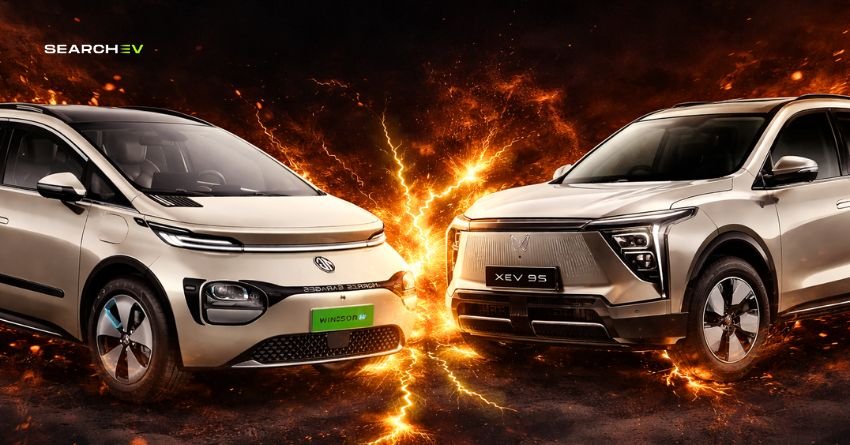
After trailing behind MG Motor India for nearly the entirety of the previous calendar year, Mahindra has completely closed the gap, missing the number two spot in monthly EV sales by a razor-thin margin of just 20 units.
Mahindra’s electric division recorded a watershed moment in March 2026, signaling a notable shift in the fiercely competitive electric mobility sector. This surge has been driven by new product launches and improving market conditions.
By the Numbers: The March 2026 EV sales
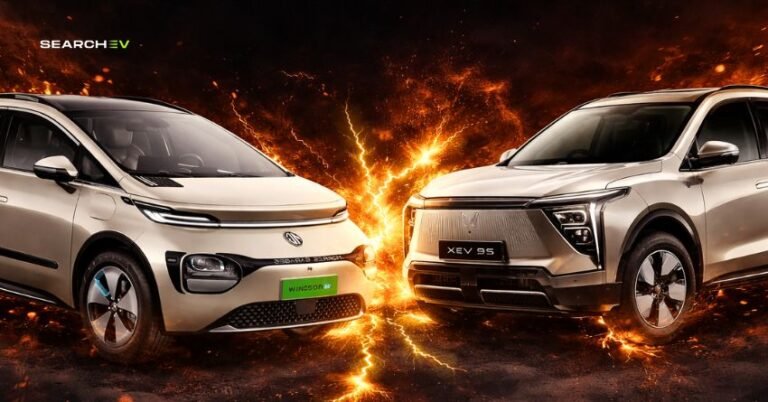
According to the first quarter’s sales figures, JSW MG Motor India barely held onto its runner-up position, selling 5,141 units, in March 2026, while Mahindra’s passenger electric car division nipped right at its heels with 5,121 units sold.
While MG technically retains the second-highest passenger electric vehicle market share in India, this neck-and-neck finish is a substantial change from the 2025 baseline.
With overall sales of 51,603 units at the end of 2025 compared to Mahindra’s 30,285 units, MG had maintained a significant advantage throughout the year. In 2025, MG continuously outperformed Mahindra even on a monthly basis. For example, in March 2025, Mahindra was only getting started with 1,833 units, while MG sold 4,211 units.
But in the first quarter of 2026, Mahindra significantly benefited from the change in momentum. After a strong start in January, MG’s sales dropped to 3,556 in February. Meanwhile Mahindra, after gaining ground gradually, saw a dramatic increase of more than 50% in March, having sold 3,051 units in February, which helped it take the lead.
The Catalyst: The XEV 9S and a Broader Portfolio
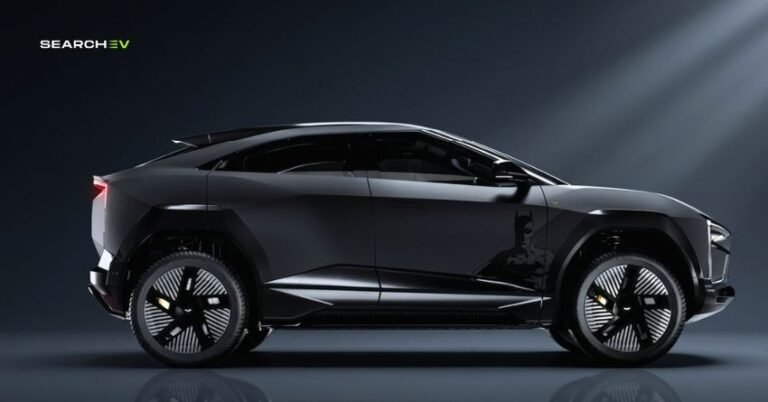
One of the driving reasons for Mahindra’s rising share in the Indian electric car market is its slew of launches that have essentially reshaped how car buyers look at EVs. Unlike MG, which relies heavily on a single strong product, Mahindra now has an expanded portfolio of born EVs, including the Mahindra XEV 9S, the XEV 9E, and the BE 6.
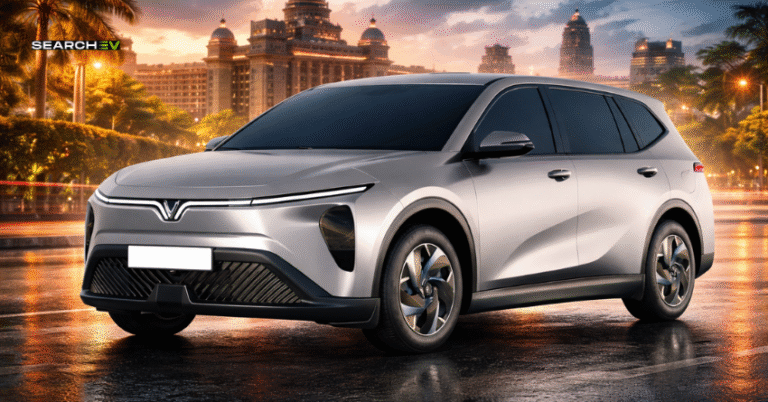
The XEV 9S has been a masterstroke in market positioning. A white space in the seven-seater family electric utility vehicle has been existing for quite some time now. And with the introduction of a premium, three-row electric SUV, especially from a domestic carmaker, hit right on the spot.
Indian buyers typically prefer spacious, family-friendly SUVs, and Mahindra has managed to bring that format into the EV space. This has helped attract ICE-loyalists who were earlier hesitant to switch from petrol or diesel vehicles due to limited options.
Macro Winds: Crude Oil Jitters and Policy Shifts
Beyond product strategy, a lot of external factors are also pushing more people towards electric cars. The rising geopolitical tensions in the Middle East have made people worried about crude oil supply and how stable fuel prices will be in the long run. Even the possibility of fuel price fluctuations is enough to influence India’s price-sensitive middle class.
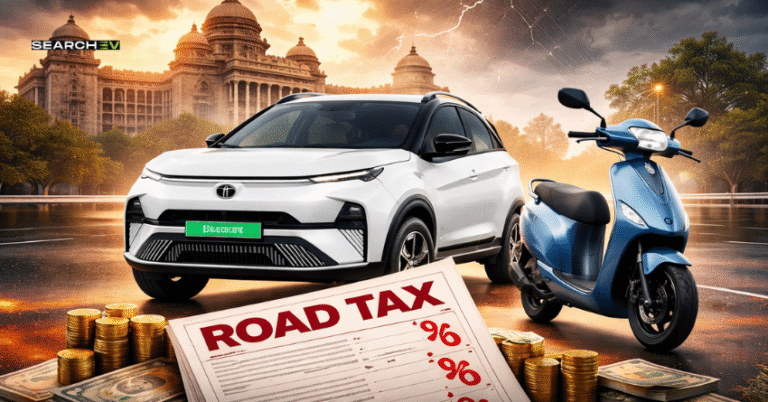
On top of that, buyers are under pressure to finalise their purchases before any eligible state-level subsidies or waivers are phased out, especially those pertaining to EV road tax exemptions. The rise in EV adoption as per march sales data is seen across the board, with big OEMs especially seeing a noticeable increase from month to month:
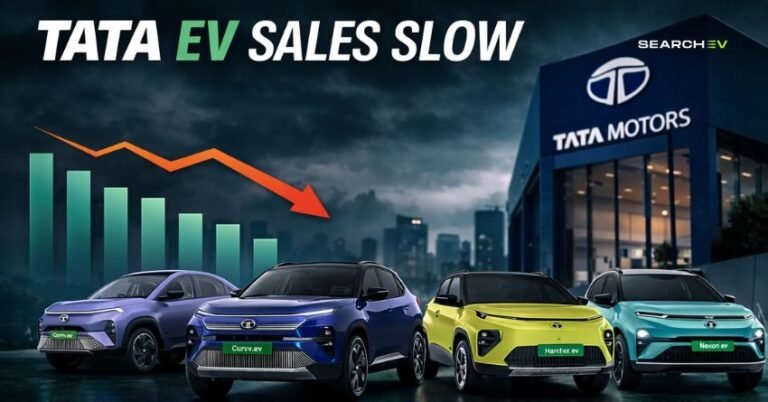
- Tata Passenger Electric Mobility rebounded from 5,616 units in February to 8.245 units in March, maintaining its market domination.
- JSW MG Motor India recovered from its February slump (3,556 units) to post a respectable sales number of 5141 units in March.
- BYD India: From 355 units in February to 414 units in March, the company showed steady, consistent growth in the premium market.
The Q1 2026 data proves that the Indian EV market is maturing past the point of a single-player monopoly. With Mahindra now flexing its manufacturing muscle and proving the viability of the 7-seater electric SUV, the battle for the number two spot behind Tata has never been more fiercely contested.